


I stared at the blank sheet of paper in my son’s open three-ring binder on the kitchen counter. It made me think of my own school days and the stacks of wide-ruled, then college-ruled, looseleaf paper. I was grateful to know that kids still write on paper in this digital age.
The red margin line also made me think.
On paper, margins exist for several reasons:
1. They make sure that text does not bleed over the edge in the printing process.
2. They create white space surrounding the page’s content for readability and focus.
3. They offer room for notes and doodles.
4. They provide an area for additions and questions.
Margins matter in real life as well, and for the same reasons.
1. We cannot jampack the content of our days.
There are only so many hours in a day. We can fit in only what we can fit. One day’s to-do list (and oh how I love a to-do list) cannot be so long that it overflows into the next. Keep a separate brain-dump list for all the things to do forever and ever and tuck it away out of sight.
For each day, however, only enough for that day. Be realistic. Fit the space and hours in the day you’ve been given. Don’t come too close to the edges.
2. We need white space around the substance in our lives.
When there is something big happening—like a meeting or a celebration or a hard conversation—create a buffer around that event. We cannot go back-to-back-to-back-to-back every day because, eventually, our backs will hurt from the heavy load. Protect that neutral zone around your big things to give yourself a chance to rest, breathe, and gear up for what’s next.
3. We should return to the doodle.
I spent hours in classrooms and meetings perfecting the flower chain. Doodling keeps our brains engaged just enough so that we don’t entirely lose focus. It’s also a way to output nervous energy. How many great inventions and ideas started as doodles on the back of cocktail napkins? How many treasured pieces of art hang in museums that were mere doodles in a master’s notebook?
There are real-life equivalents of doodles. Like skipping stones, browsing in a bookstore, and stargazing. We need low-stakes moments so that we have something left to give when things get intense.
4. We must make room for post-production.
Margins provide an area to add extra notes, highlights, and points of clarification. Our best ideas often come as afterthoughts, after we’ve let our work or our words settle. We need to allow room for those later sparks. We need space to ask questions and to make edits, because it’s so rare we get it right on the first go around.
Sometimes we forget how much we need to protect the extra room in our days. Elbow room. Wiggle room. Breathing room. It’s such a joy to lead a full life. But a full life can so easily tip into overwhelm and exhaustion.
Put limits on the substance of your day. Protect the empty spaces around the big stuff, or else it all feels like big stuff. Let your mind and body wander and roam sometimes and do things that have no end goal. Allow yourself the opportunity to return, refine, or reimagine.
I hope there’s always a place for looseleaf paper in schools. If only for the margins.
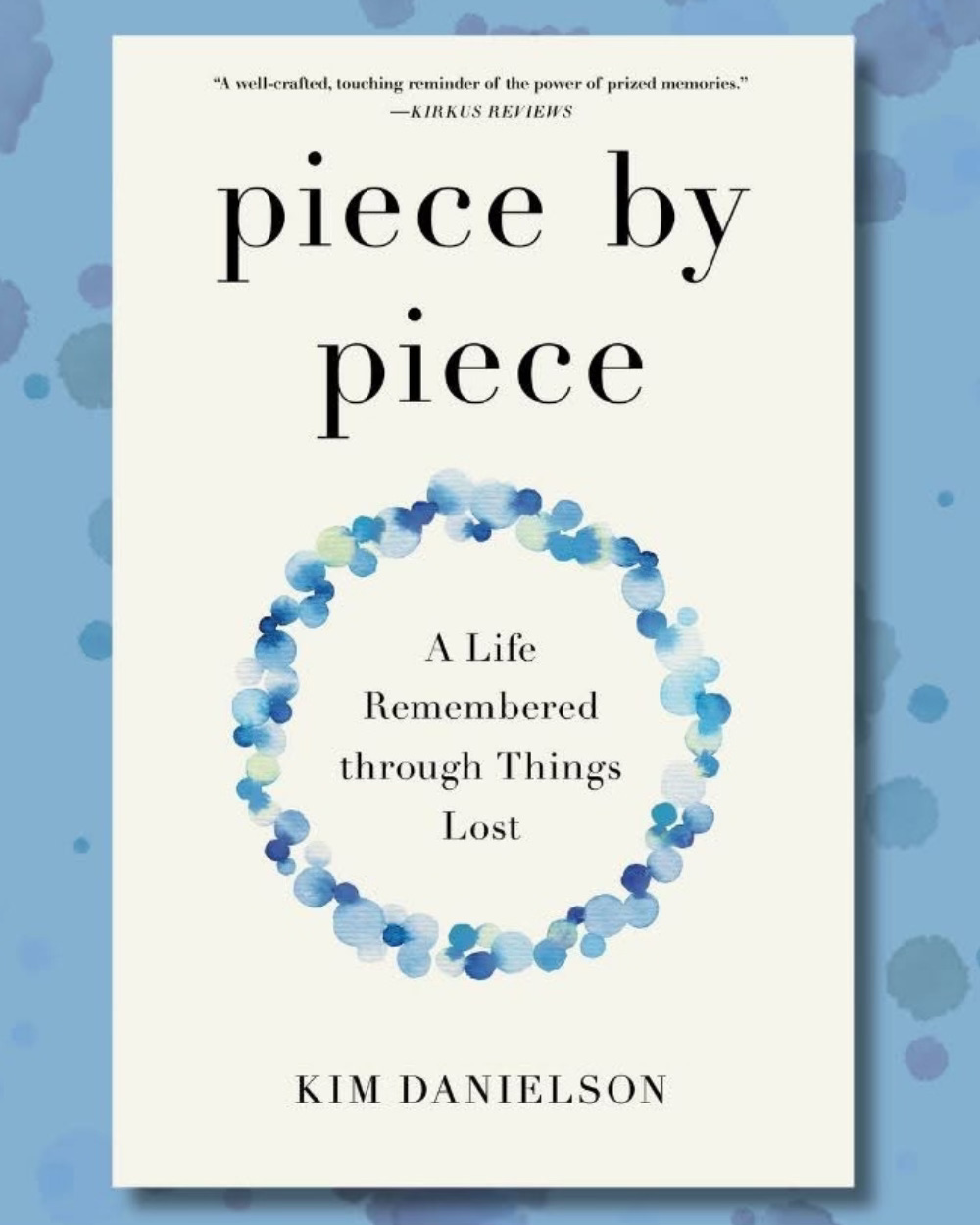
Interested in object-based storytelling? My memoir, Piece by Piece: A Life Remembered through Things Lost, is available here. 📖💙
I agree so strongly with this. The margins are where the thinking happens, and the dreaming.
Kim, I love this. As an introvert, I definitely need to leave room around the edges or else my back will absolutely hurt from the heavy physical and mental load. Great advice, per usual. :)